

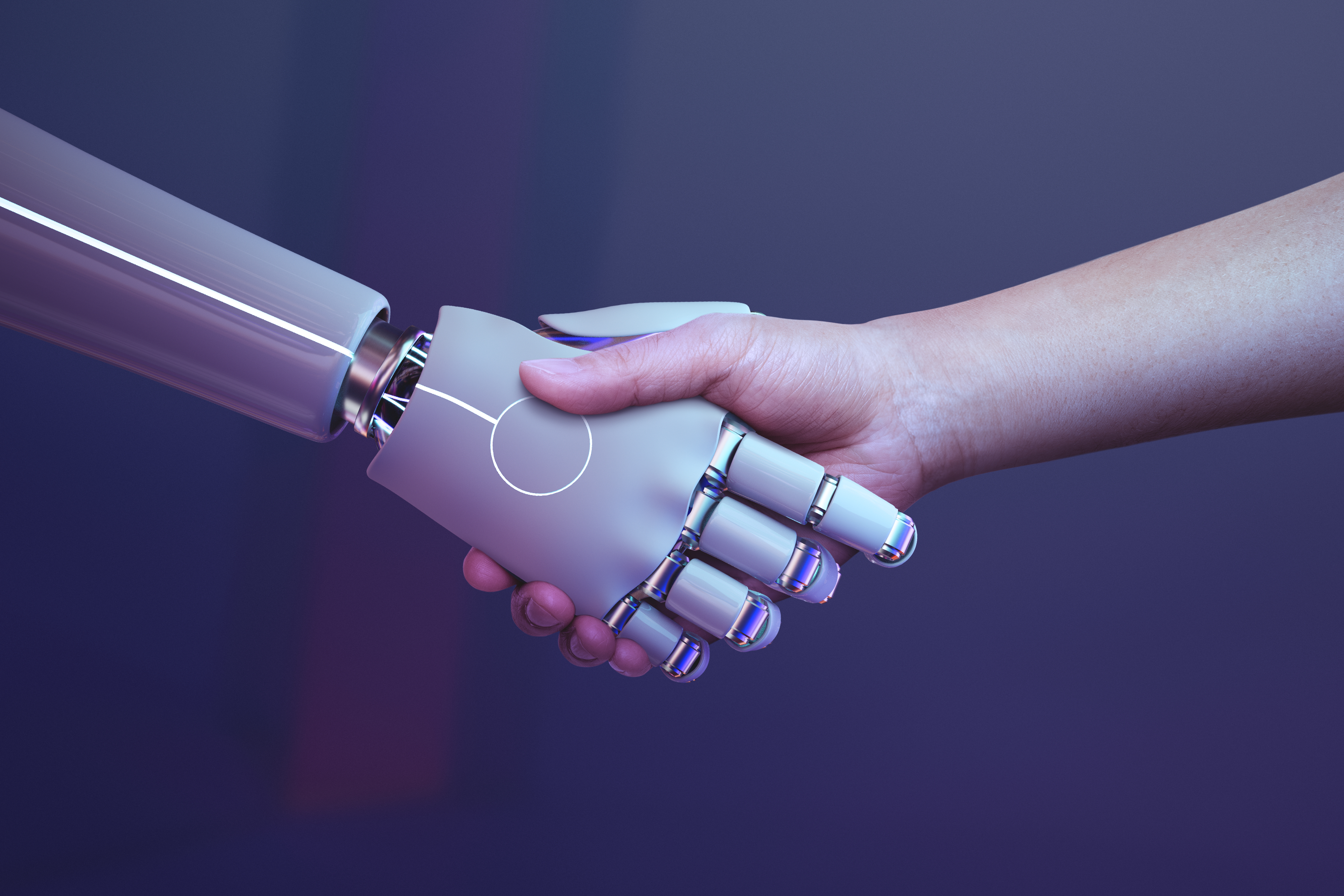
Nowadays, the term AI is ubiquitous, permeating corporate board meetings, online forum platforms, and casual conversations among friends. In the previous posts (Part 1, Part 2), we presented an introduction to AI and discussed its impact on the job market. Now, we expand our focus to explore the broader global impact of AI.
Given the previous discussion on the potential impact of AI in displacing workers and increasing unemployment in Part 2, as a segue we will begin this post by exploring the actions that can be taken by society to alleviate the negative consequences that may arise from a potential rise in unemployment.
What kind of policies that governments can adopt to address the potential increase in unemployment caused by AI, prevent the widening wealth gap, and mitigate the risk of social unrest?
ChatGPT: To address the potential challenges of massive unemployment caused by AI, governments could consider adopting the following policies:
- Universal Basic Income (UBI): Implementing a UBI program could provide a basic level of income to all citizens, ensuring financial security and reducing the impact of job displacement. This can help mitigate the widening wealth gap and provide a safety net during the transition to an AI-driven economy.
- Education and Reskilling Programs: Investing in robust education and reskilling initiatives is crucial to equip individuals with the skills needed for new job opportunities. Governments can collaborate with educational institutions and industry stakeholders to offer training programs that focus on emerging fields and the skills in demand in the AI era.
- Job Transition Support: Implementing programs to assist workers in transitioning to new job sectors can help mitigate the adverse effects of unemployment. This can include career counseling, job placement services, and financial support for retraining and upskilling programs.
- Entrepreneurship and Small Business Support: Encouraging entrepreneurship and supporting small businesses can stimulate job creation. Governments can provide funding, mentorship programs, and streamlined regulations to facilitate the establishment and growth of new ventures.
- Fair Labor Policies: Updating labor laws and regulations to account for the changing nature of work in the AI era is crucial. Governments should ensure worker protections, fair wages, and appropriate working conditions, especially as the gig economy and remote work become more prevalent.
- Collaborative Approach: Collaboration between governments, businesses, labor unions, and other stakeholders is essential. Engaging in open dialogues, developing public-private partnerships, and involving multiple perspectives can help shape comprehensive policies that address the societal impact of AI.
- Anticipatory Planning and Research: Governments should proactively monitor and research the impact of AI on the job market to anticipate potential challenges. This can inform evidence-based policymaking, foster innovation, and enable agile responses to emerging trends and disruptions.
By implementing these policies, governments can strive to mitigate the adverse effects of AI-induced unemployment, reduce the wealth gap, and promote social stability during the transition to an AI-driven economy. It requires a proactive and holistic approach to ensure that the benefits of AI are widely shared and that no one is left behind.
List some potential pitfalls of the AI revolution (top 5)
ChatGPT: Here are five potential pitfalls of the AI revolution:
- Ethical and Social Implications: The AI revolution raises ethical concerns, such as privacy violations, algorithmic bias, and the potential for job displacement. AI systems must be designed and deployed with careful consideration for fairness, transparency, and accountability to mitigate these risks.
- Lack of Human Oversight and Control: As AI systems become more advanced, there is a risk of reduced human control and understanding. Autonomous AI algorithms and decision-making processes may become increasingly complex and opaque, making it challenging for humans to comprehend or intervene in critical situations.
- Cybersecurity Risks: AI systems can become targets for malicious attacks, leading to potential breaches, data manipulation, and disruptions. As AI applications become more prevalent, ensuring robust cybersecurity measures and safeguarding against vulnerabilities becomes crucial to protect sensitive information and critical infrastructure.
- Economic Inequality and Job Displacement: The widespread adoption of AI technologies may lead to significant job displacement in certain sectors, potentially exacerbating economic inequality. While AI has the potential to create new jobs and opportunities, the transition can be disruptive, requiring reskilling and support for affected individuals.
- Dependence and Reliability: Overreliance on AI systems without appropriate fail-safe mechanisms can lead to significant consequences if these systems fail or make errors. The reliability and robustness of AI algorithms and infrastructure must be ensured to prevent disruptions in critical domains like healthcare, transportation, and finance.
These pitfalls highlight the importance of responsible development, deployment, and regulation of AI technologies. Ethical considerations, human oversight, cybersecurity measures, addressing economic implications, and ensuring reliability are key factors in harnessing the benefits of the AI revolution while mitigating potential risks.
In a profit-driven capitalist society, will the advent of AI contribute to increased inequalities and disparities?
ChatGPT: The impact of AI on disparities in a capitalist society is a complex and nuanced topic. While AI has the potential to contribute to economic disparities, it also offers opportunities to address and mitigate them. The outcome depends on various factors, including how AI is developed, deployed, regulated, and the broader socio-economic context in which it operates.
On one hand, in a profit-driven capitalist society, there is a risk that AI adoption may exacerbate existing inequalities. AI technologies can be costly to develop and implement, creating barriers to access for smaller or economically disadvantaged entities. Additionally, AI can automate certain jobs, leading to job displacement and potential wage polarization if the benefits of AI are not equitably distributed. Wealthier individuals and organizations with greater resources may have a competitive advantage in harnessing the benefits of AI, further widening the wealth gap.
On the other hand, AI has the potential to drive innovation, improve productivity, and create new economic opportunities. It can lead to the development of new industries, products, and services that generate economic growth and job creation. AI technologies can enhance efficiency, reduce costs, and increase access to services in sectors such as healthcare, education, and finance, potentially benefiting individuals across different socio-economic backgrounds.
Addressing disparities in a capitalist society requires proactive measures. Governments, policymakers, and businesses can play a crucial role in shaping the deployment and impact of AI. Policies and regulations can promote equitable access to AI technologies, ensure fair competition, and protect workers affected by automation. Investing in education and reskilling programs can help individuals adapt to changing job requirements and mitigate the potential negative impacts of AI on employment.
Ultimately, the extent to which AI creates or reduces disparities in a capitalist society depends on the choices made by policymakers, businesses, and society as a whole. By prioritizing ethical considerations, equitable distribution of benefits, and inclusive economic policies, it is possible to harness the potential of AI to create a more balanced and equitable society.
Will the AI revolution lead to changes in political regimes and societal structures? if so, briefly describe what these changes might look like.
ChatGPT: The AI revolution has the potential to influence political regimes and societal structures, but predicting the exact form of these changes is challenging. However, it is possible to speculate on potential aspects:
- Governance and Regulation: The emergence of AI may require new governance models and regulations to address ethical, legal, and social implications. Policy frameworks that ensure transparency, accountability, and fairness in AI development and deployment may be established. International cooperation may be necessary to address global challenges posed by AI.
- Economic Shifts: The widespread adoption of AI may lead to changes in economic systems. New models for wealth distribution, job creation, and retraining programs may be required to address the impact of automation on employment and income inequality. Universal basic income and other similar concepts might gain attention as potential solutions.
- Ethical Considerations: The ethical dimensions of AI will likely be integrated into societal structures. Discussions on the responsible use of AI, privacy rights, algorithmic accountability, and the impact on human autonomy and decision-making may shape societal norms and policies.
- Public Participation and Transparency: The AI revolution may foster increased public participation in decision-making processes related to AI policies and applications. Greater transparency in AI algorithms, data usage, and decision-making systems may be emphasized to ensure public trust and address concerns about bias, discrimination, and accountability.
- Redefining Work and Education: The shift towards automation may necessitate a reevaluation of traditional notions of work and education. Lifelong learning, reskilling, and upskilling programs may become crucial to adapt to the changing nature of jobs and to prepare individuals for new roles in the AI-driven economy.
It is important to note that these potential changes will depend on societal choices, political will, and collective action. The future political regime and societal structure will be shaped by various factors, and it remains a subject of ongoing debate and exploration as the AI revolution continues to unfold.
Will AI create more disparities between rich and poor countries?
ChatGPT: The impact of AI on disparities between rich and poor countries can be influenced by several factors. While it is challenging to make definitive predictions, there are certain considerations to keep in mind:
- Access to AI Technology: The availability and adoption of AI technologies may vary across countries. Developed countries and those with robust technological infrastructure may have greater access to AI advancements, resources, and expertise, potentially leading to an initial disparity between rich and poor countries.
- Skill and Education Gap: AI requires specialized skills and knowledge. Countries with well-developed educational systems and a skilled workforce may be better positioned to harness the benefits of AI and create opportunities. Developing countries that face challenges in terms of education and skill development may experience a larger gap in AI-related opportunities.
- Economic Impact: The economic impact of AI can vary across countries. AI-driven automation may lead to job displacement in certain sectors, potentially affecting countries that rely heavily on labor-intensive industries. On the other hand, countries with a strong technological sector and AI-driven innovation may experience economic growth and attract investment, potentially widening the economic disparities between countries.
- Policy and Infrastructure: The development and implementation of effective AI policies and infrastructure play a crucial role in minimizing disparities. Countries that prioritize AI research and development, establish supportive policies, and invest in infrastructure to facilitate AI adoption may have a competitive advantage. The ability of countries to create an enabling environment for AI innovation can impact disparities between rich and poor nations.
To mitigate potential disparities, efforts are needed to ensure technology transfer, knowledge sharing, and capacity building in AI across countries. International collaboration and support programs can help bridge the gap, enabling developing countries to access AI technologies and build the necessary skills.
However, it is important to note that while AI may initially exacerbate disparities, it can also present opportunities for leapfrogging in certain areas. Developing countries can leverage AI to address local challenges, drive innovation, and create new economic sectors.
Ultimately, the impact of AI on disparities between rich and poor countries will depend on a combination of factors, including the strategies pursued by individual countries, international cooperation, and the ability to leverage AI in a way that promotes inclusive growth and development.
Can we anticipate a competition among nations for AI supremacy as AI technologies continue to advance?
ChatGPT: The emergence of AI technologies has indeed sparked a race among countries for AI supremacy. Nations recognize the transformative potential of AI and are investing significant resources in research, development, and talent acquisition to gain a competitive advantage. This race involves efforts to lead in AI innovation, secure intellectual property rights, attract AI companies and investments, and establish favorable regulatory frameworks. The quest for AI supremacy is driven by the desire to reap economic, military, and societal benefits that AI can offer. However, it is important for countries to balance the pursuit of AI dominance with ethical considerations, international collaboration, and the responsible development of AI to ensure that its benefits are widely shared and potential risks are mitigated.
Key Takeaways:
- To address the potential challenges of massive unemployment caused by AI, governments could consider adopting policies to provide job transition support, encourage entrepreneurship, implement a Universal Basic Income (UBI).
- AI has the potential to benefit humanity in several ways. To maximize its benefits and ensure that it aligns with human values and goals, responsible development, governance and regulation of AI are crucial.
- There are also several potential risks associated with AI, such as : cybersecurity risks, lack of human oversight and control, economic inequality and job displacement, overreliance on AI systems.
- In a capitalist society, while AI has the potential to contribute to economic disparities, it also offers opportunities to address and mitigate them.
- The AI revolution has the potential to influence political regimes and societal structures.
- The economic impact of AI can vary across countries. AI-driven automation may lead to job displacement in certain sectors, potentially affecting countries that rely heavily on labor-intensive industries.
To Go Further (Beyond ChatGPT):
Kai-Fu Lee, E 2021, AI SuperPowers, China, Silicon Valley and the New World Order, First Mariner Books
Henry A. Kissinger, Eric Schmidt, and Daniel Huttenlocher, E 2021, The Age of AI And Our Human Future, Little, Brown and Company
Wisdom 2.0, May 16, 2023, ChatGPT CEO on Mindfulness, AI and the Future of Life || Sam Altman Jack Kornfield & Soren Gordhamer, from https://www.youtube.com/watch?v=hn1Y6GVWUV0
Lex Fridman, March 25, 2023, Sam Altman: OpenAI CEO on GPT-4, ChatGPT, and the Future of AI | Lex Fridman Podcast #367, from https://www.youtube.com/watch?v=L_Guz73e6fw
 AI Talks
Leave a comment