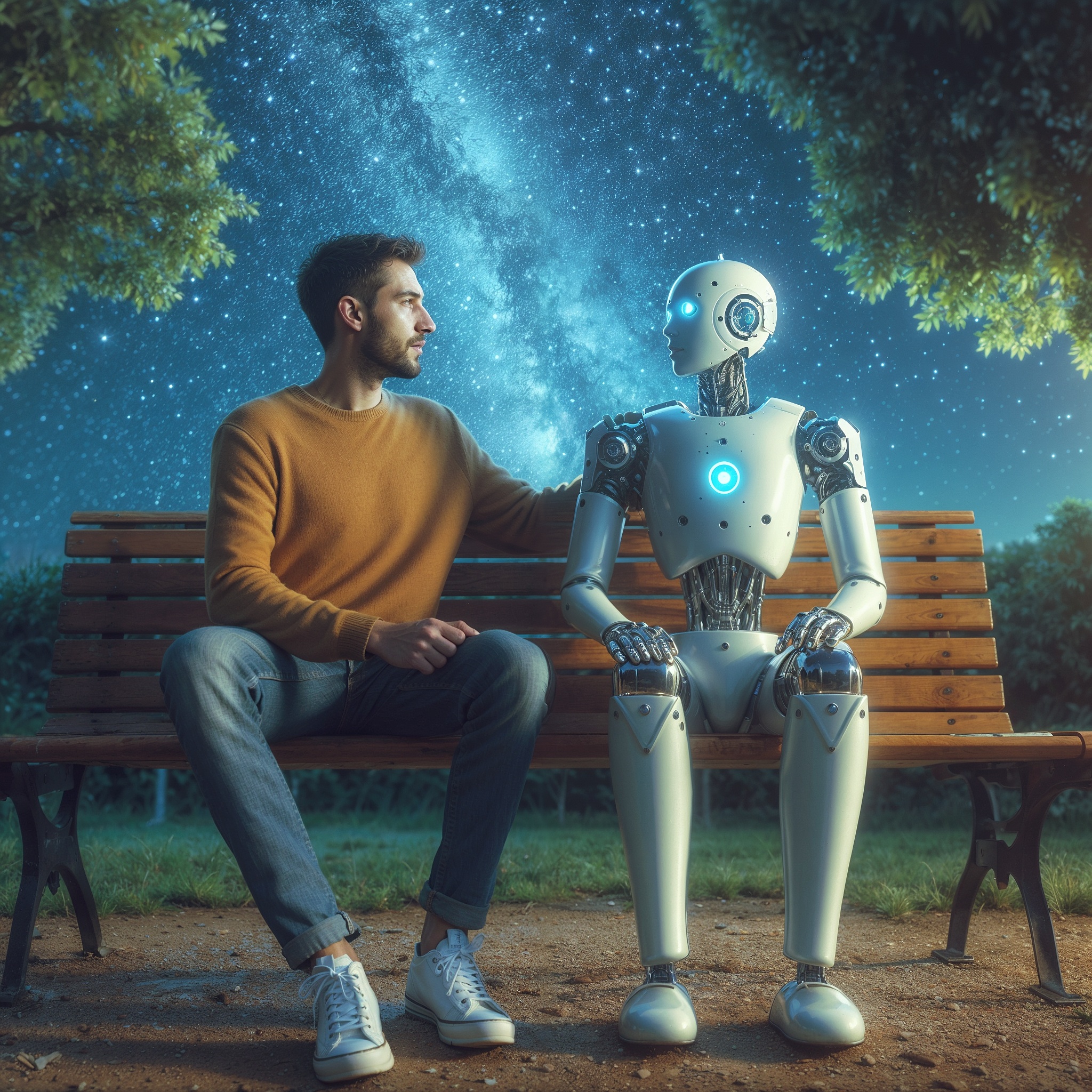
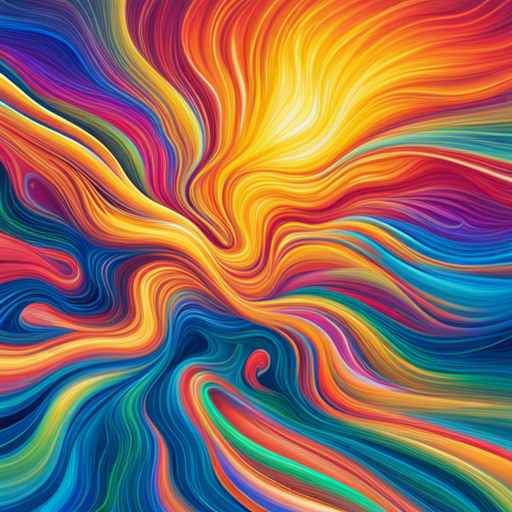
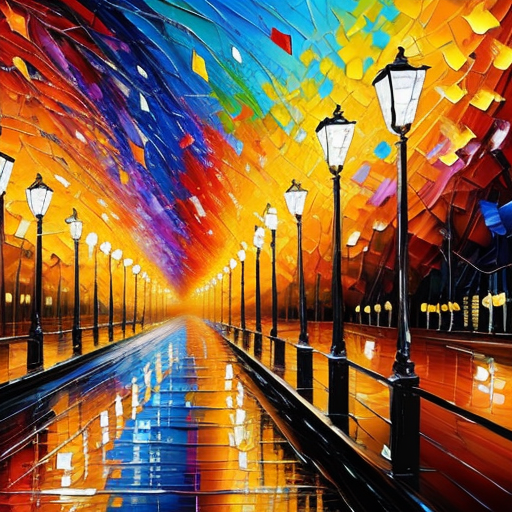
Generative AI in art has emerged as a groundbreaking technological advancement, revolutionizing the way we perceive and create artwork. This innovative approach utilizes artificial intelligence algorithms to generate or enhance artistic pieces. In this blog post, we will examine the impact of generative AI on art, exploring its inner workings, the new creative possibilities it offers, the ethical and legal implications it raises, and the changing relationship between humans and AI.
Table of Contents
- Key Concepts
- The history of AI-generated art
- How AI-generated art is created
- The benefits of AI-generated art
- The ethical and legal implications of AI-generated art
- The evolving relationship between humans and AI in art
- Examples of AI-generated art
- What to expect in the terms of service of AI-generated art platforms
- Conclusion
- Additional resources
Key Concepts:
1. Evolutionary algorithms: These are a type of machine learning algorithm that use a process of mutation and selection to generate new solutions to a problem. In the context of generative AI art, evolutionary algorithms can be used to generate new images or patterns by randomly mutating existing images or patterns and selecting the ones that are most aesthetically pleasing.
2. Style transfer: This is a technique that uses deep learning to transfer the style of one image to another image. For example, one could use style transfer to apply the style of a Van Gogh painting to an image of a cat. In generative AI art, style transfer can be used to create new images that combine the content of one image with the style of another image.
3. Deep learning: This is a subset of machine learning that uses artificial neural networks to learn from data. Deep learning is used in AI-generated art to train the algorithms to generate more realistic and complex images.
The history of AI-generated art:
The history of AI-generated art dates back several decades, with notable milestones shaping its development. In the 1960s, early computer programs like AARON by Harold Cohen began generating visual art using algorithmic rules. However, these systems had limitations, resulting in abstract and less-detailed images. In the 1990s, the emergence of evolutionary algorithms and genetic programming allowed for more sophisticated creations. Deep learning and neural networks made significant advancements in the 2010s, as evidenced by projects such as Google’s DeepDream and the introduction of generative adversarial networks (GANs). These advancements enabled realistic image synthesis and style transfer.
How AI-generated art is created:
Generative AI in art uses algorithms trained on large datasets of images to learn from existing artworks and generate new pieces based on those patterns. Through advanced analysis, the algorithms gain an understanding of various artistic elements, including color, composition, style, and subject matter. Techniques like style transfer, deep learning, and neural networks allow the algorithms to mimic specific artistic styles or generate entirely new ones, expanding the possibilities of creative expression.
The benefits of AI-generated art:
AI-generated art offers numerous benefits for artists and consumers alike. It serves as a catalyst for expanding artistic creativity and pushing boundaries, providing artists with a powerful tool to explore novel ideas and concepts. However, challenges exist, such as copyright and ownership disputes, as AI-generated art often builds upon pre-existing images. Nonetheless, AI-generated art enriches the art landscape, offering consumers a wider variety of styles, themes, and visual experiences. It also has the potential to make art more affordable and accessible while enabling broader engagement and appreciation of AI-generated creations.
The ethical and legal implications of AI-generated art:
As generative AI gains prominence in the art world, ethical and legal considerations take center stage. One challenge is the potential for AI-generated art to be used to create fake or misleading images, leading to concerns about its societal impact. Copyright and attribution issues further complicate matters, as determining the ownership of AI-generated art created using pre-existing images becomes a complex issue. Additionally, the question of authorship and commercialization sparks debates, with different legal systems adopting varying approaches.
The evolving relationship between humans and AI in art:
The integration of generative AI into the art domain has led to discussions about the potential for AI to replace human creativity. However, it is important to view generative AI as a tool and source of inspiration rather than a replacement for human artists. Artists can use AI algorithms to augment their creativity and explore new frontiers. This symbiotic relationship between humans and AI opens up new artistic possibilities and challenges us to rethink the limits of artistic expression.
Examples of AI-generated art:
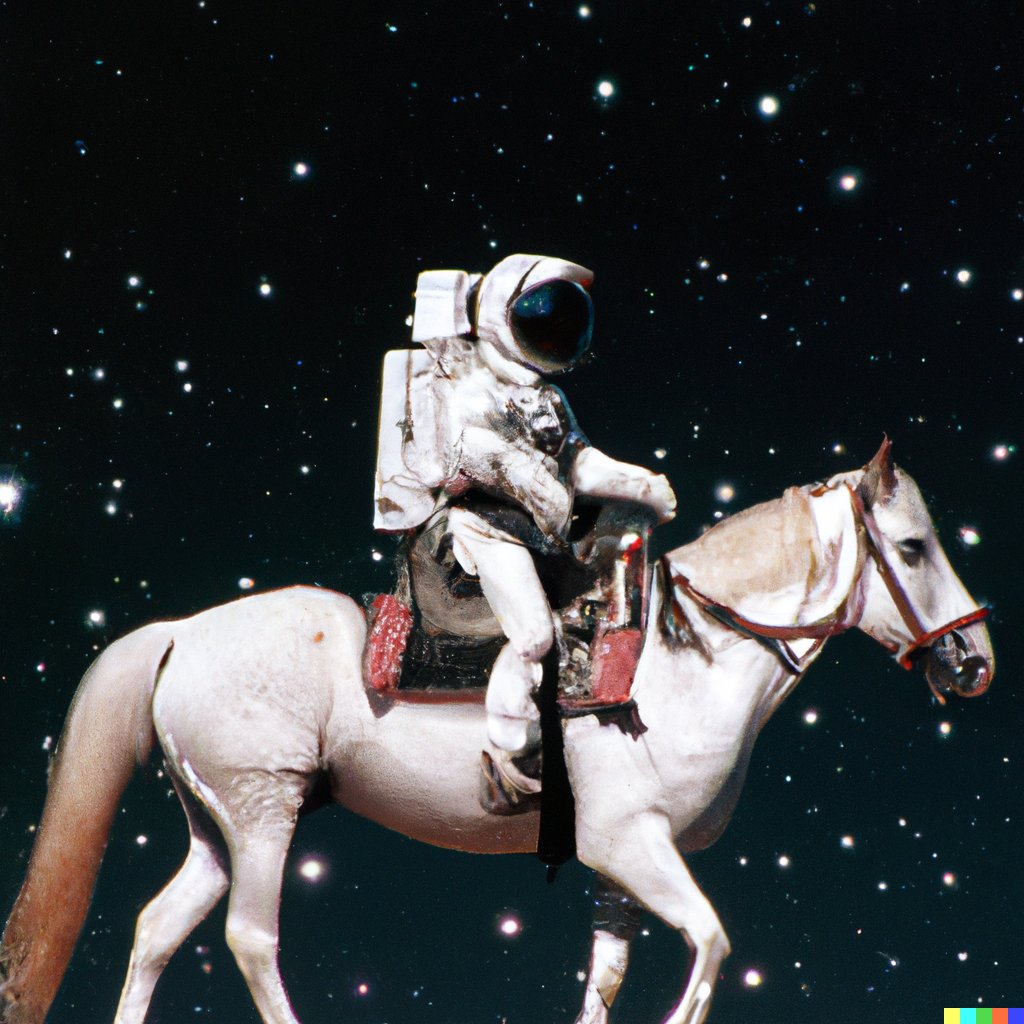
DALL-E 2, a text-to-image AI created by OpenAI that can generate realistic images from text descriptions.
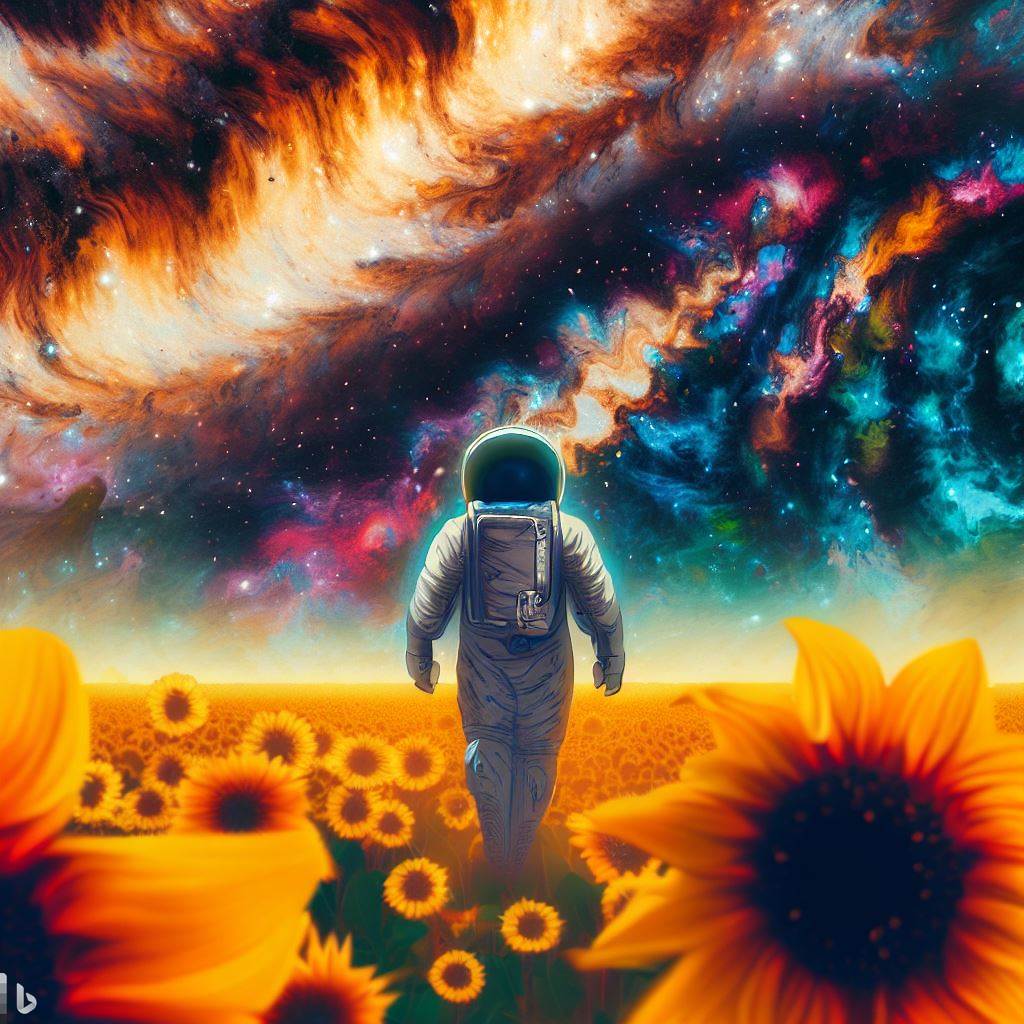
Image Creator (Microsoft Bing) is a product to help users generate AI images with DALL·E. Given a text prompt, it will generate a set of images matching that prompt.
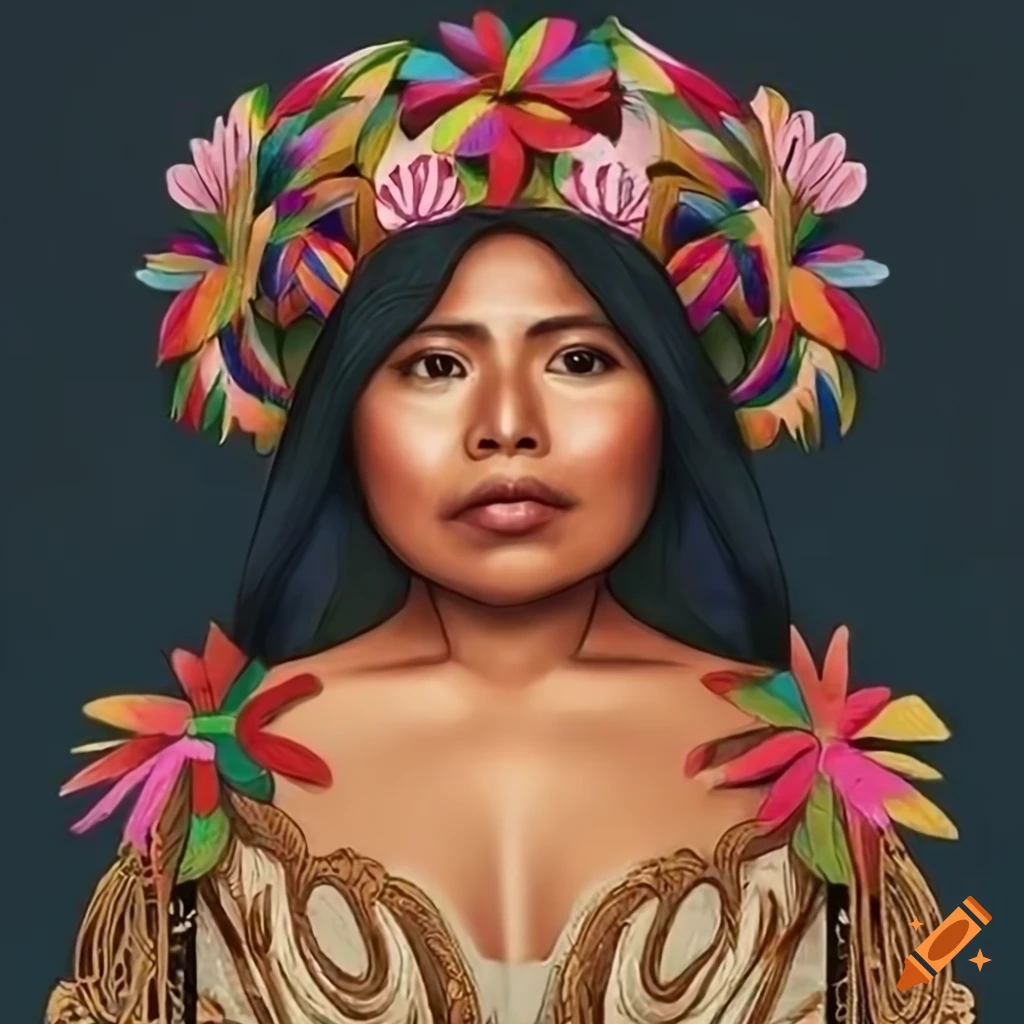
Craiyon, formerly DALL·E mini, is an AI model that can draw images from any text prompt.
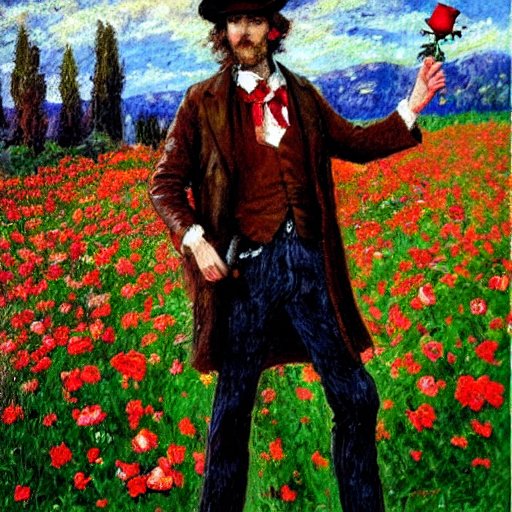
Stable Diffusion is a latent text-to-image diffusion model capable of generating photo-realistic images given any text input.
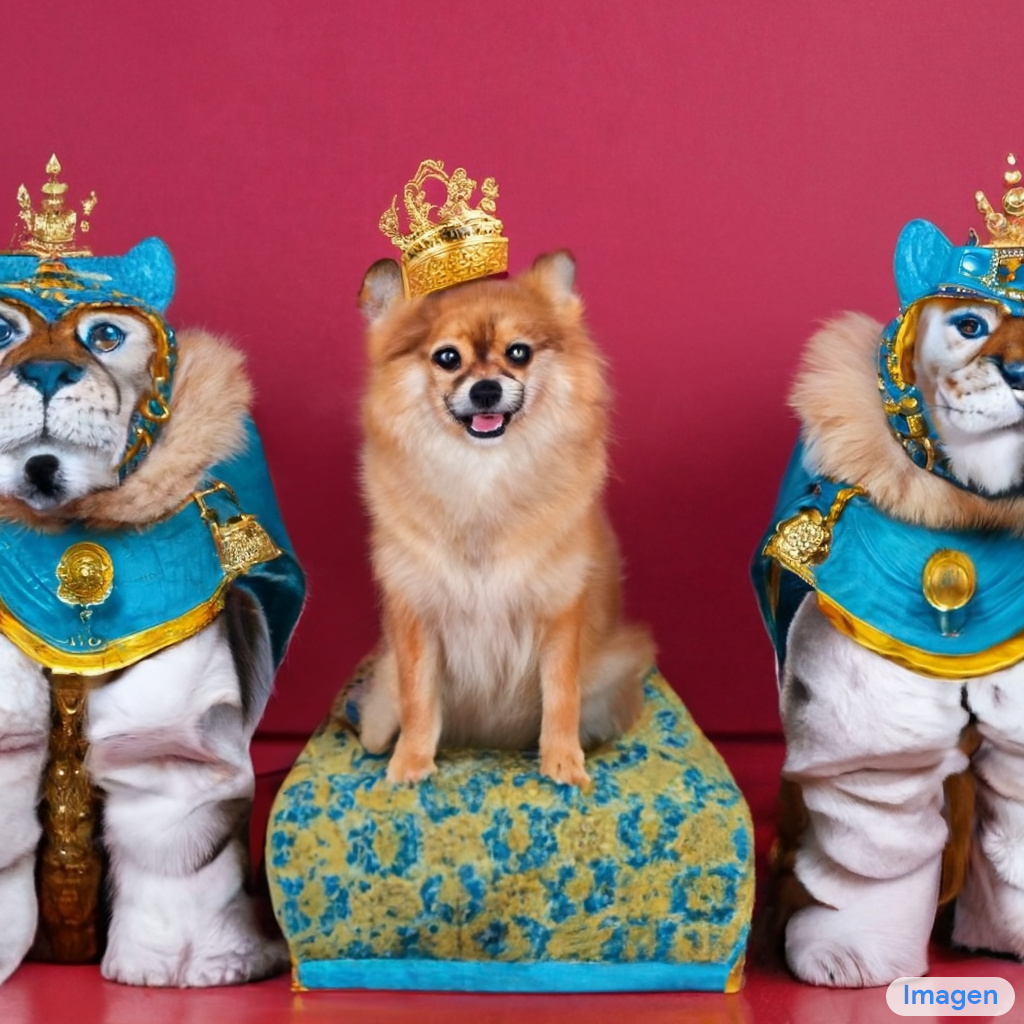
Imagen (Google), is a text-to-image diffusion model with a high degree of photorealism and a deep level of language understanding. As of this writing, Imagen is not yet available for public use.
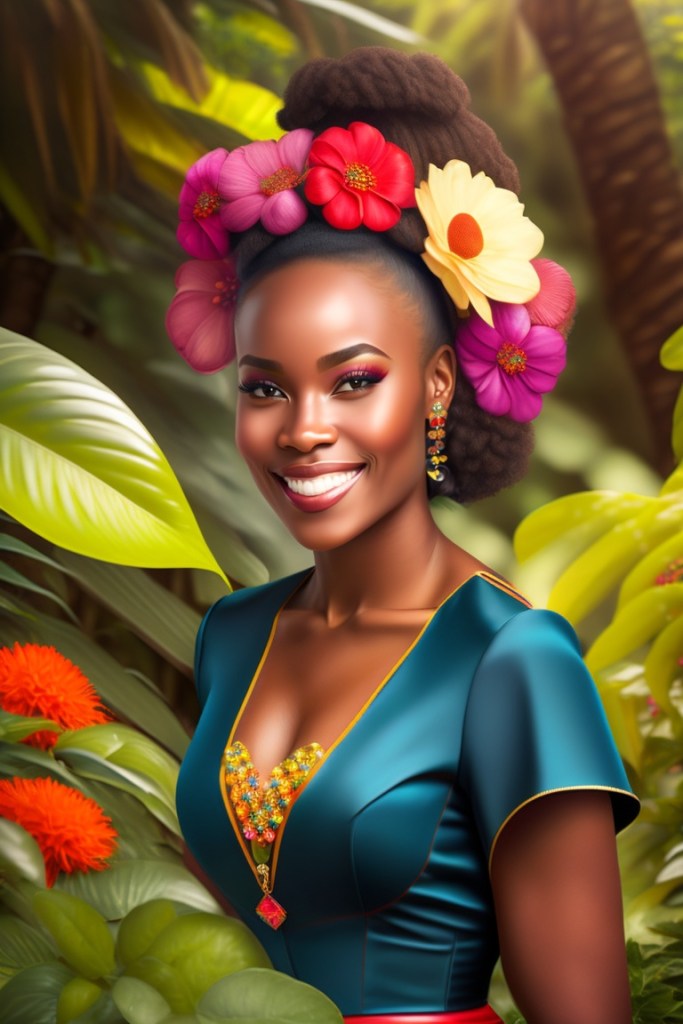
Lexica art (aperture), a new model from Lexica that can generate photorealistic images. This is my favorite. It is user-friendly, generates high-quality images, and is available free of charge, as of this writing.
What to expect in the terms of service of AI-generated art platforms:
Here are some specific clauses that one might expect to find in the terms of service of AI-generated art platforms:
- Ownership of intellectual property. The platform will retain ownership of all intellectual property rights in the content generated on the platform, including the AI model itself. This means that the platform can use, reproduce, distribute, modify, adapt, publicly perform, display, and create derivative works of the content without the user’s permission.
- Rights granted to users. Users will typically be granted the right to use the platform for personal, non-commercial purposes. They may also be granted the right to share the content generated on the platform, but they must give credit to the platform. In some cases, users may also be granted the right to request that the platform remove their content from the platform.
- Restrictions on content. The platform will prohibit users from generating content that is hateful, discriminatory, or offensive. The platform will also prohibit users from generating content that infringes on the intellectual property rights of others or that is illegal or harmful.
- Rights of the platform. The platform may have the right to remove any content from the platform at any time, for any reason. The platform may also have the right to suspend or terminate a user’s account if the user violates the terms of service.
It is important to note that the specific clauses related to ownership and copyright may vary from platform to platform. Therefore, it is always important to read carefully the terms of service provided by each platform to understand the specific rights and terms that apply.
Conclusion:
Generative AI is a transformative force that is reshaping the artistic landscape. It has the potential to democratize art and make it more accessible to a wider audience. However, it also poses challenges to traditional notions of authorship and copyright. As AI continues to develop, it is important to consider the ethical implications of using this technology in the art world. By understanding the potential impact of AI in the art world, we can ensure that this technology is used in a responsible and ethical way.
 AI Talks
Leave a comment