
(Images created with the assistance of AI image generation tools)
Welcome to our Q1 2026 Quarterly Review. If the last few years were about talking to intelligent chatbots in a digital vacuum, the last three months have violently yanked artificial intelligence out of the web browser and dropped it firmly into the real world. From geopolitical chess matches to robots that walk our factory floors, the fundamental nature of the technology has completely fractured the traditional paradigms of how we work and live.
But this new era of hyper-capable software comes with a massive physical footprint, ethical battle lines drawn in the sand, and a corporate disruption so profound that even the titans of retail and beverage are handing over their keys. Let’s dive into the tidal waves—and the critical undercurrents—that defined the artificial intelligence industry this quarter.
Table of Contents
From Chatboxes to Factory Floors: The Rise of “Physical AI”
To understand the tectonic shift of Q1 2026, think of the AI we’ve used until now as a sophisticated encyclopedia. It was incredible at retrieving information, but it was fundamentally trapped behind glass. It couldn’t turn the page for you, and it certainly couldn’t build the bookshelf.
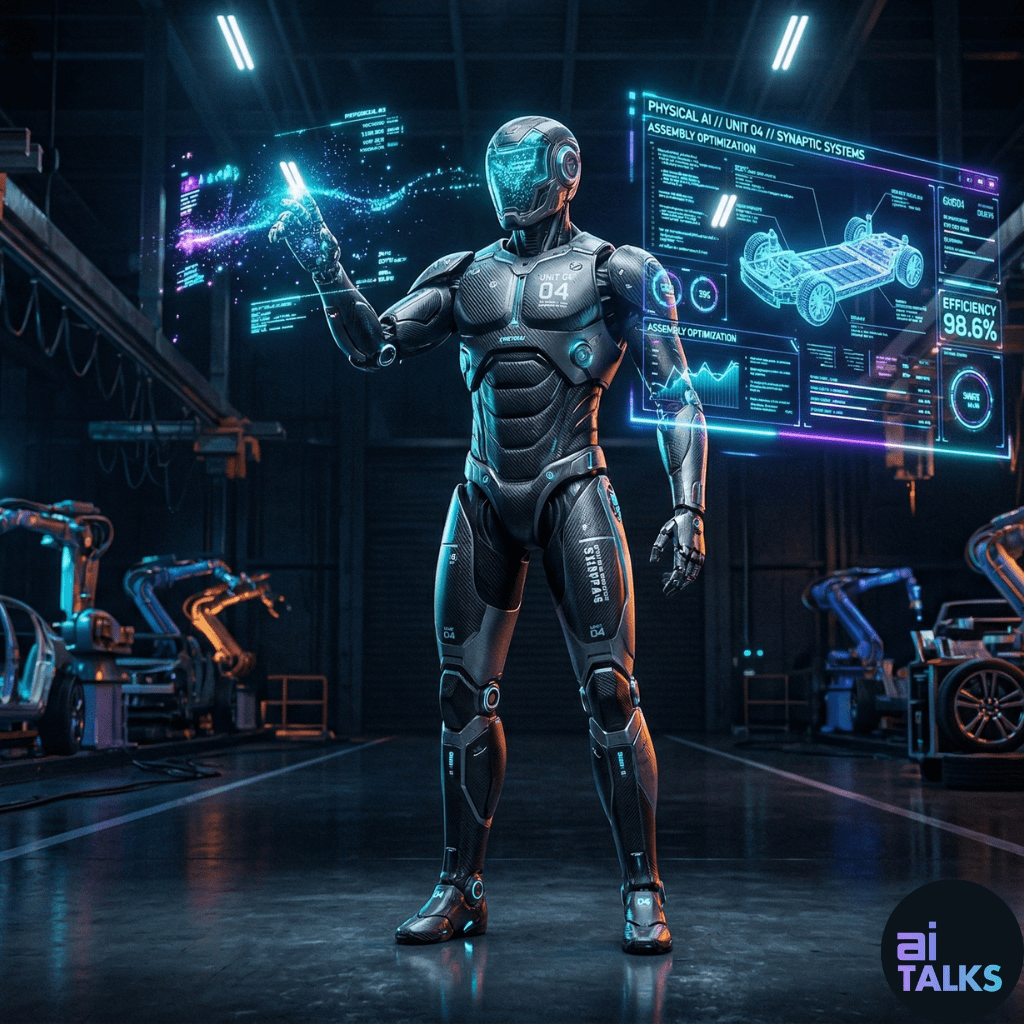
This quarter, the industry aggressively transitioned to Physical AI (artificial intelligence integrated directly into robotic hardware and autonomous physical systems). We watched Boston Dynamics unveil its production-ready electric Atlas robot, while Tesla made the jarring decision to halt production on its flagship Model S and X cars simply to clear factory floor space for “Optimus” humanoid workers. AI is no longer just a digital brain; it has finally been given a physical body.
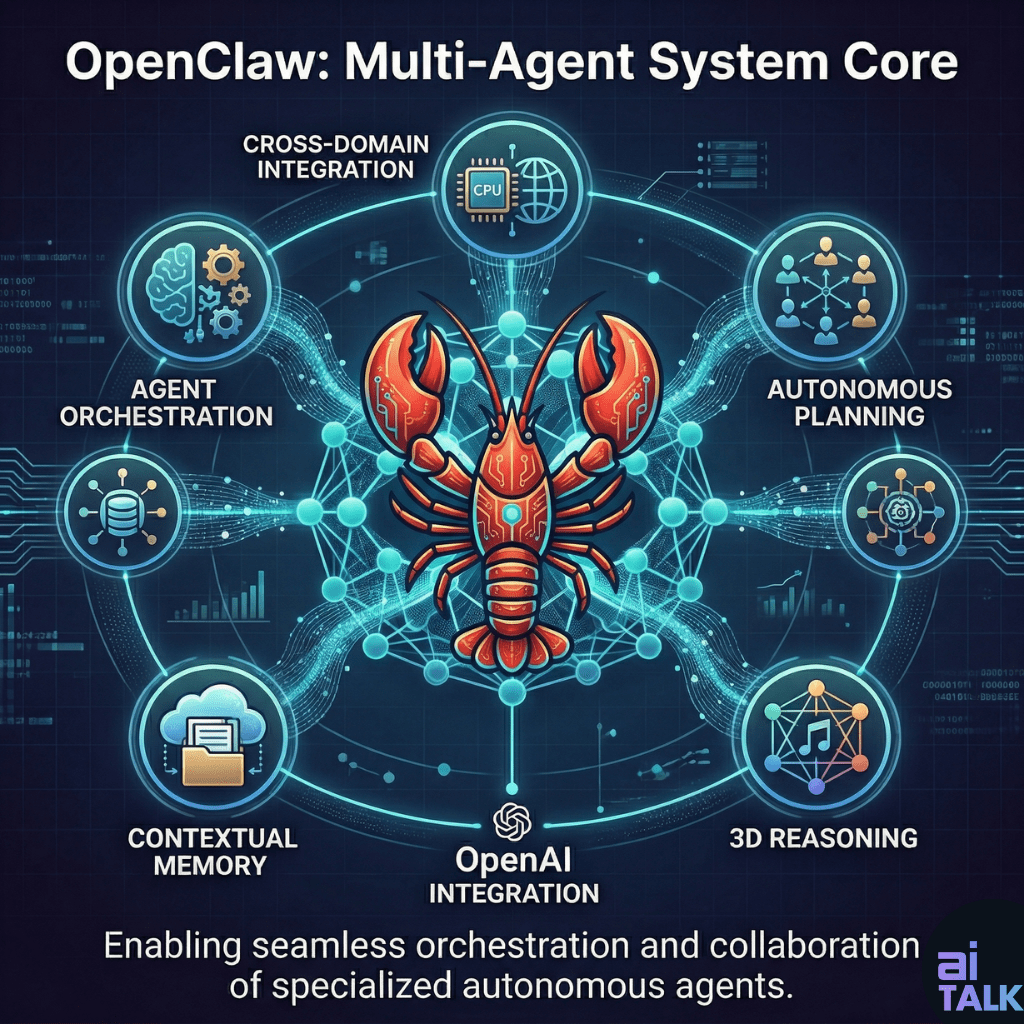
Simultaneously, the software itself broke free from the browser limits through the rapid ascent of the OpenClaw phenomena. We are witnessing the normalization of Agentic AI (software that acts autonomously, making decisions and chaining together multiple steps without constant human prompting). In China, OpenClaw sparked such a massive surge in usage that thousands physically lined up for the open-source software, pushing the nation’s infrastructure to its absolute brink. It forced complete internal restructurings at powerhouses like Google and Microsoft, who are now scrambling to unify their consumer experiences under singular, proactive agents, while Nvidia gears up to launch their enterprise equivalent, NemoClaw. We are no longer merely “using” AI; we are deploying a digital workforce.
The Silicon Cold War: When Tech Ethics Collide with the Pentagon
While the software gained autonomy, the entities controlling it plunged into a bitter ethical war. If AI is the new nuclear power, tech companies are suddenly finding themselves acting less like software developers and more like prominent defense contractors.
This quarter, the tension completely exploded over Dual-Use Technology (software or hardware designed for commercial civilian use that can also be applied to military and defense capabilities). Anthropic, guided by its strict internal ethical framework, explicitly refused to allow its models to be utilized for mass domestic surveillance or lethal autonomous weapons. The Pentagon retaliated by designating the company a “supply-chain risk”, attempting to blacklist them from federal integration.
What followed was a dramatic Silicon Valley drama: employees from Google, OpenAI, and Microsoft rallied behind Anthropic to defend safety guardrails, and Anthropic won a temporary federal injunction blocking the Pentagon’s blacklist. Meanwhile, rival OpenAI abruptly stepped in to sign the controversial military contracts that Anthropic had rejected. This triggered a massive public backlash, including a widely publicized “QuitGPT” boycott and protestors physically swarming the headquarters of leading labs. The core question is no longer just how smart the AI is, but exactly whose geopolitical agenda it serves.
The Insatiable Thirst: The Trillion-Dollar Infrastructure Wall
All of these futuristic agents and military-grade models require a mind-boggling amount of electricity and hardware to function. Think of the internet as a sprawling modern city; AI consists of massive, power-hungry skyscrapers that require a completely new, vastly expanded plumbing system.
The United States dominates the global data center boom, hosting over half of all upcoming projects. However, the industry is slamming into severe physical bottlenecks. The issue isn’t just a lack of GPUs; there is a critical shortage of the blue-collar tradespeople—specifically electricians and plumbers—needed to build these mega-facilities. Furthermore, progressive lawmakers have introduced bills attempting to freeze all new data center construction over environmental destruction, while energy experts warn everyday consumers could see skyrocketing utility bills.
The industry is leaning aggressively on unproven physics to survive, pouring capital into optical metamaterials to process data with light to slash energy costs. If this Compute Bottleneck (the hard physical limit on artificial intelligence growth caused by a lack of energy, hardware, or human labor) isn’t resolved, the trillion-dollar investment boom could collapse before true human-level intelligence is ever fully realized.
The Human Impact: C-Suite Casualties and Productivity Anxiety
For the everyday worker, the narrative has firmly shifted from eventual replacement to immediate productivity exhaustion. Tech workers face soaring anxiety as companies make AI fluency mandatory for promotions and use automation not to shorten the workweek, but to aggressively multiply output demands. Even the highest echelons of corporate power are not immune; in a historic parallel move, the CEOs of mega-brands Coca-Cola and Walmart stepped down simultaneously, stating explicitly that running a modern mega-corporation now requires a fundamentally different, highly AI-literate breed of leadership.
Conclusion: Teammates, Not Just Tools
The first quarter of 2026 has proven that the “tool” era is irreparably over. We are no longer merely typing instructions into a void; we are managing an army of proactive digital teammates and physical robots. We are handing over the keys to our municipal power grids, our factory floors, and our national defense strategies.
The “Big Idea” is simple: We have moved from developing artificial intelligence to surviving its physical implementation. The challenge moving forward is not whether the algorithms can reason or write complex code, but whether our human infrastructure, ethics, and biology can handle the speed of their deployment.
This post was researched and written with the assistance of various AI-based tools.
 AI Talks
Leave a comment